Interior design is no longer just about decorating rooms. Today, it is a professional field that combines creativity, functionality, technical knowledge, and problem-solving skills to create beautiful and practical spaces. With rapid growth in residential, commercial, and hospitality sectors, interior designers are increasingly in demand across India.
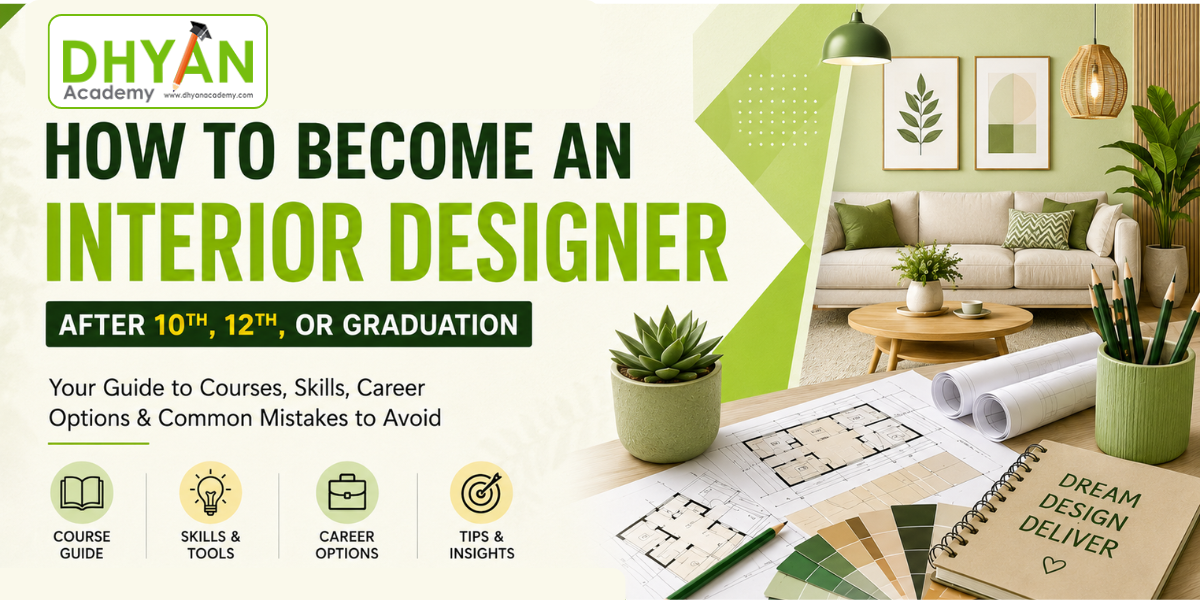
If you are wondering how to become an interior designer after completing your 10th, 12th, or graduation, this guide will help you understand the right career path, common mistakes to avoid, and important questions students often have but rarely get answered correctly.
Who Can Become an Interior Designer?
One of the biggest misconceptions among students is that only those with exceptional drawing skills can become interior designers. In reality, while creativity is important, successful interior designers also possess communication skills, spatial understanding, technical knowledge, and attention to detail.
Students from any academic background can pursue interior design if they have an interest in designing spaces and solving real-world problems.
How Can You Become an Interior Designer After Completing 10th Grade?
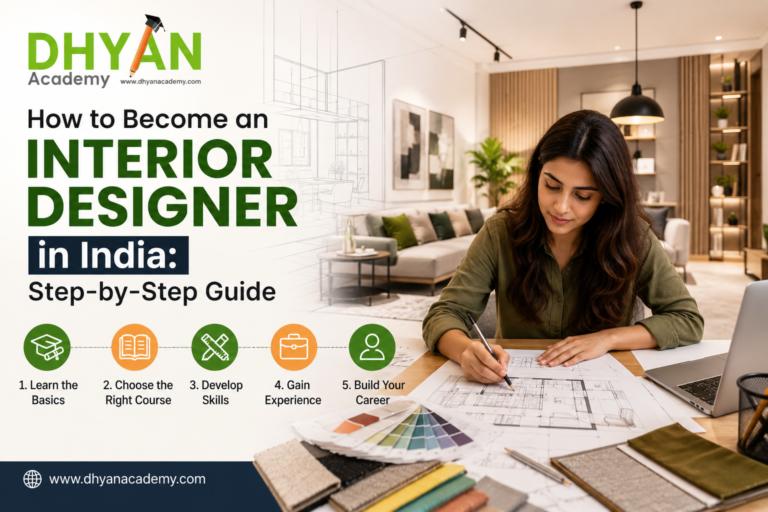
Students who have completed their 10th standard can begin their journey early by enrolling in foundation or diploma programs in interior design.
Steps to Follow:
- Complete your 10th education from a recognized board.
- Enroll in a diploma or certificate course in interior design.
- Learn basic design principles, color theory, drafting, and space planning.
- Develop software skills such as AutoCAD, SketchUp, and 3D visualization tools.
- Build a portfolio of your projects and concepts.
Many students prefer practical-oriented programs such as interior design training in Hyderabad because they gain industry exposure and hands-on experience from the beginning of their careers.
How to Pursue Interior Design After Class 12th
After completing 12th grade, students have multiple educational options available.
Popular Courses After 12th
1. Bachelor of Interior Design (BID)
A specialized degree focused entirely on interior design concepts and industry practices.
2. B.Des. in Interior Design
This program combines design thinking, creativity, and technical execution.
3. Diploma Programs
Suitable for students who want to enter the workforce faster while acquiring practical skills.
4. Certification Programs
Short-term programs that focus on software, drafting, and professional project execution.
Students often search for an interior design institute in Hyderabad that offers practical learning instead of purely theoretical education because industry-ready skills significantly improve employability.
How to Become an Interior Designer After Graduation
Graduates from various fields can transition into interior design successfully.
Whether your degree is in commerce, science, arts, engineering, or architecture, you can pursue:
- Postgraduate Diploma in Interior Design
- Professional Certification Programs
- Specialized Design Software Courses
- Industry-Oriented Training Programs
Many graduates choose interior design training in Hyderabad to gain practical exposure and develop a professional portfolio before entering the job market.
Questions Students Frequently Ask But Rarely Get Correct Answers To
Can I Become an Interior Designer Without Being Good at Drawing?
Yes.
Many students mistakenly think that lacking strong sketching abilities means they cannot pursue a career in interior design. While basic sketching helps communicate ideas, modern design relies heavily on software such as AutoCAD, SketchUp, Revit, and 3D Max.
What matters more is your ability to understand spaces and solve design challenges.
Is Interior Design Only for Girls?
Absolutely not.
This outdated misconception prevents many talented students from exploring the field. Interior design welcomes individuals of all genders. In fact, many successful interior designers and design entrepreneurs are men.
Your creativity and technical skills matter far more than gender.
Do Interior Designers Only Decorate Homes?
No.
Interior designers work on:
- Residential projects
- Corporate offices
- Hotels and resorts
- Retail stores
- Healthcare facilities
- Educational institutions
- Exhibition spaces
The profession is much broader than selecting furniture and wall colors.
Is a Degree Mandatory for Success?
Not always.
While degrees provide academic credentials, employers increasingly value practical skills, software expertise, project experience, and strong portfolios.
This is why many students combine academic education with interior design training in Hyderabad to strengthen their professional capabilities.
Intentional Mistakes Students Make and Their Impact
Mistake 1: Choosing a Course Only Because It Is Short
Many students prioritize course duration over quality.
Impact:
- Weak design fundamentals
- Poor portfolio development
- Limited career opportunities
A shorter course may save time initially but can create skill gaps that affect long-term growth.
Mistake 2: Ignoring Software Skills
Some students focus only on theory and manual design concepts.
Impact:
- Reduced employability
- Difficulty working on real projects
- Lower confidence during interviews
Today’s industry expects proficiency in professional design software.
Mistake 3: Copying Designs from Pinterest Without Understanding Concepts
Students often recreate trending designs without learning why those designs work.
Impact:
- Limited creativity
- Poor problem-solving ability
- Weak portfolio originality
Employers value original thinking far more than copied concepts.
Unintentional Mistakes Students Realize Too Late
Mistake 1: Not Building a Portfolio Early
Many students wait until course completion to create a portfolio.
Impact:
- Fewer internship opportunities
- Weak interview performance
- Difficulty showcasing skills
Start documenting your projects from day one.
Mistake 2: Ignoring Site Visits
Students often underestimate the importance of real-world exposure.
Impact:
- Lack of practical understanding
- Difficulty handling actual projects
- Poor material knowledge
Site visits help bridge the gap between classroom learning and industry requirements.
Mistake 3: Choosing Institutes Based Only on Fees
Low fees may seem attractive initially.
Impact:
- Limited industry exposure
- Outdated curriculum
- Poor placement support
Instead, evaluate faculty expertise, practical training opportunities, and industry connections.
Essential Skills Every Future Interior Designer Should Develop
Creative Skills
- Design thinking
- Color coordination
- Concept development
Technical Skills
- AutoCAD
- SketchUp
- Revit
- 3D visualization
Professional Skills
- Client communication
- Presentation skills
- Project management
- Budget planning
Students enrolled in a reputable interior design institute in Hyderabad often receive training in both technical and professional competencies, making them more industry-ready.
Career Opportunities in Interior Design
After completing your education and training, you can explore roles such as:
- Interior Designer
- Space Planner
- Furniture Designer
- Residential Design Consultant
- Commercial Interior Designer
- 3D Visualizer
- Design Coordinator
- Project Manager
The growing real estate and infrastructure sectors continue to create new opportunities for qualified professionals.
Why Practical Training Matters More Than Ever
The interior design industry is becoming increasingly competitive. Employers now look beyond certificates and degrees.
They want candidates who can:
- Handle live projects
- Create professional drawings
- Work with design software
- Communicate with clients
- Understand site execution
This is why practical-oriented interior design Training in Hyderabad has become a preferred choice among students seeking industry-relevant skills and real-world experience.
A Smart Learning Approach for Aspiring Interior Designers
Many students focus only on obtaining certifications, but successful designers understand that continuous learning is equally important.
Institutions that combine technical education, project-based learning, software training, portfolio development, and industry exposure often provide a stronger foundation for career growth. Among such learning environments, Dhyan Academy has gained attention for emphasizing practical skill development and helping students understand how the industry functions beyond classroom theory.
For students exploring an interior design institute in Hyderabad, it is important to evaluate whether the program provides hands-on learning opportunities, portfolio guidance, and exposure to current industry practices rather than focusing solely on academic instruction.
Final Verdict
Becoming an interior designer after 10th, 12th, or graduation is possible through multiple pathways. The key is choosing the right learning approach, developing practical skills, building a strong portfolio, and avoiding common mistakes that slow career growth.
Focus on creativity, technical expertise, software proficiency, and real-world project experience. Whether you start early after the 10th, pursue a degree after the 12th, or transition after graduation, the opportunities in interior design are expanding rapidly.
Invest in quality education, gain practical exposure through interior design training in Hyderabad, and continuously improve your skills to build a successful and rewarding career in the design industry.
References
- National Skill Development Corporation (NSDC) – Skill Development and Design Industry Insights.
- Council of Architecture (COA) – Design Education and Professional Standards.
- Ministry of Skill Development and Entrepreneurship (MSDE), Government of India.
- Interior Design Educators Council (IDEC) – Professional Design Education Guidelines.
- Industry reports from real estate and interior design sectors highlighting demand for skilled interior design professionals.